AI in Web Design: How Artificial Intelligence is Changing the Game
Introduction
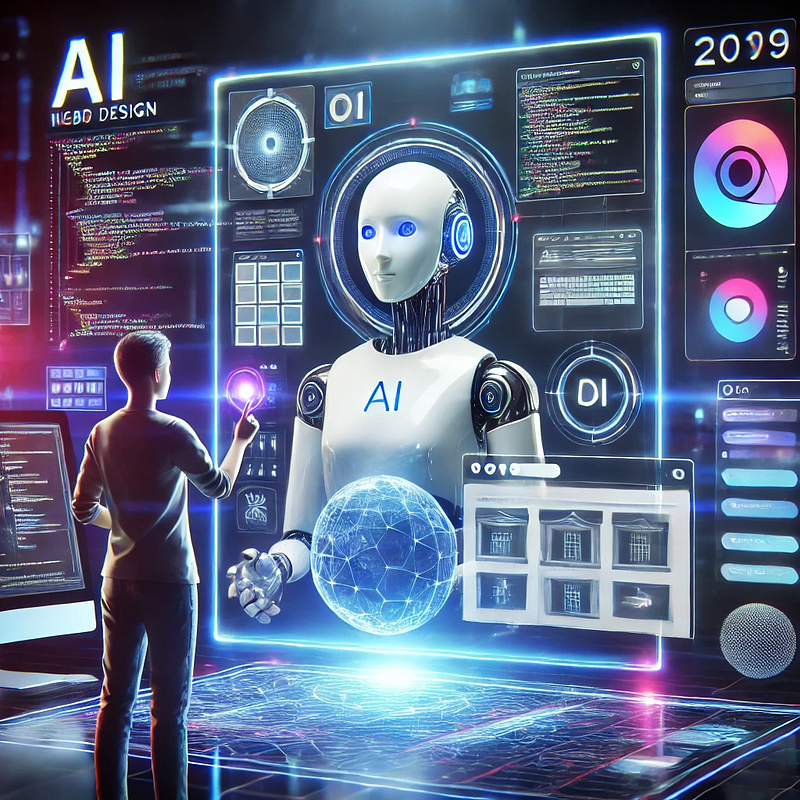
Artificial Intelligence (AI) is revolutionizing various industries, and web design is no exception. AI-powered tools and technologies are transforming the way websites are created, optimized, and personalized. From automating design processes to enhancing user experiences, AI is making web design faster, smarter, and more efficient.
In this article, we’ll explore how AI is changing web design, its benefits, popular AI-driven tools, and what the future holds.
How AI is Transforming Web Design
1️⃣ Automated Website Builders
AI-driven website builders like Wix ADI, Bookmark, and Zyro allow users to create websites without any coding or design experience. These tools analyze user preferences and generate a fully functional, aesthetically pleasing website in minutes.
2️⃣ AI-Generated Design Suggestions
AI analyzes user behavior and industry trends to suggest optimal layouts, fonts, and color schemes. Adobe Sensei and Figma AI use machine learning to provide design recommendations, ensuring a visually appealing and user-friendly experience.
3️⃣ Personalized User Experiences
AI enhances user experience (UX) by dynamically adjusting website content based on user behavior. AI-powered chatbots, recommendation engines, and predictive analytics help deliver a personalized browsing experience.
4️⃣ Automated Content Creation & Optimization
- AI copywriting tools like ChatGPT, Copy.ai, and Jasper generate engaging web content.
- AI-powered SEO tools (e.g., Surfer SEO, Clearscope) analyze search trends to optimize content for higher rankings.
5️⃣ Smart Chatbots & Virtual Assistants
AI chatbots such as ChatGPT, Drift, and Intercom provide real-time customer support, answer queries, and improve user engagement without human intervention.
6️⃣ AI-Powered UX Testing & Heatmaps
AI analyzes visitor interactions using heatmaps, session recordings, and A/B testing to optimize website performance. Tools like Hotjar, Crazy Egg, and FullStory help designers improve usability.
7️⃣ AI in Web Accessibility
AI-driven accessibility tools like AccessiBe and UserWay automatically adjust web elements to make sites accessible for users with disabilities, ensuring compliance with WCAG guidelines.
Benefits of AI in Web Design
✅ Faster Development: AI automates design and coding, reducing development time.
✅ Cost-Effective: AI-driven solutions lower the cost of hiring designers and developers.
✅ Data-Driven Decisions: AI analyzes user data to optimize designs based on real-world interactions.
✅ Enhanced UX: AI customizes websites in real time for better engagement and conversions.
✅ Improved SEO: AI-driven SEO tools enhance visibility and organic traffic.
Challenges & Considerations
❌ Lack of Human Creativity: AI lacks the intuition and emotional depth of human designers.
❌ Over-Reliance on Automation: Fully automated designs may lack uniqueness.
❌ Ethical Concerns: AI-generated content and recommendations must be monitored for biases.
Future of AI in Web Design
🚀 AI-powered design assistants will become more advanced, creating near-human design quality.
🚀 Voice and AR/VR integration will enhance interactive web experiences.
🚀 AI-driven no-code platforms will empower non-tech users to build complex websites.
Conclusion
AI is reshaping the landscape of web design, making it more accessible, efficient, and data-driven. While it can’t fully replace human creativity, AI is a powerful tool that designers can leverage to enhance their workflows and create better user experiences.
WEBSITE: https://www.ficusoft.in/web-designing-training-in-chennai/


Comments
Post a Comment